

The Importance of Community in Islāmic Teachings
Human well-being is deeply influenced by the presence and support of a strong community. In Islāmic psychology, the role of the community extends beyond social interactions; it serves as a foundation for emotional, spiritual, and psychological resilience. A supportive community not only helps individuals navigate loss but also strengthens their ability to adapt, grow, and heal through collective care and shared experiences.
Islām places great emphasis on the collective welfare of individuals. The Qur`ān and Aḥādīth highlight the significance of brotherhood, unity, and mutual assistance. Strong communal bonds foster an environment where individuals can thrive emotionally and spiritually, ensuring that no one faces hardships alone.
Islām envisions a society where individuals are not isolated but are part of a supportive and compassionate community. Through acts like giving zakāt (charitable alms), visiting the sick, and standing by one another in times of need, Muslims are encouraged to uphold a deep sense of social responsibility. This collective care strengthens the moral fabric of society and aligns with the Islāmic ideal of living in harmony and justice.

Understanding the Stages of Healing and Growth
Researchers describe emotional healing as a process that unfolds in stages. The model of the five stages of grief, or the Kübler-Ross model provides a framework not just for loss, but for resilience-building through challenges:
1. Denial – Initially, individuals may struggle to process difficult realities. Community support offers reassurance and a structured space to gradually accept changes.
2. Anger – Feelings of frustration or distress are natural. A compassionate community provides a safe space to express emotions and seek constructive guidance through faith and shared wisdom.
3. Bargaining – People may seek deeper meaning or struggle with “what-if” thoughts. Engaging in communal prayer, seeking counsel, and reflecting collectively can help reframe struggles within a faith-based perspective.
4. Depression – Moments of sadness and withdrawal can be alleviated through social support. The presence of a nurturing community encourages connection, strength, and renewal through shared experiences.
5. Acceptance and Growth – Over time, individuals integrate their experiences into their personal and spiritual development. A resilient community ensures continued encouragement, reinforcing faith and well-being.
Healing is not a linear process, but strong communal ties help individuals move forward with greater confidence and emotional fortitude.

How the Community Builds Resilience and Supports Healing
In many Muslim societies, individuals draw strength from a communal structure that nurtures emotional and psychological well-being. This support manifests in several ways:
1. Providing Emotional and Social Strength
Family, friends, and neighbors play a crucial role in ensuring individuals do not feel alone in their struggles. Acts of kindness, regular visits, and communal gatherings provide a sense of stability, reassurance, and mutual encouragement.
2. Strengthening Spiritual Resilience
A strong community helps individuals maintain their connection with faith, which is essential for inner strength. Collective prayers, Du’ā recitations, and shared supplications reinforce hope, patience, and spiritual endurance. Engaging in religious discussions and remembrance of Allāh (SWT) provides a sense of peace and direction during challenging times.
3. Upholding Collective Rituals of Support
Islāmic traditions emphasize the communal nature of healing through shared rituals, whether in times of grief, personal hardship, or transformation. The presence of community members during these moments fosters a deep sense of belonging and reminds individuals that they are part of something greater than themselves.
4. Encouraging Acts of Service and Connection
Engaging in acts of charity and kindness fosters resilience. A supportive community facilitates these actions, allowing individuals to find purpose, healing, and fulfillment through giving and service.

Psychological and Emotional Benefits of a Resilient Community
From a psychological perspective, communal support reduces the risk of prolonged stress, isolation, and emotional distress. The sense of belonging strengthens resilience, while structured communal practices provide stability and meaning. Social connections foster a sense of normalcy, hope, and personal growth during times of challenge.
Studies have shown that strong social networks improve mental health outcomes, reduce loneliness, and enhance coping mechanisms. Faith-based communities, in particular, provide both spiritual reassurance and psychological comfort, reinforcing the idea that one is never truly alone in their journey of healing and growth.
In Islāmic psychology, a resilient community is essential for healing, adaptation, and personal development. Through emotional, spiritual, and social support, individuals are empowered to navigate life’s challenges with strength and faith. This collective approach aligns with Islāmic principles of compassion, unity, and mutual care, ensuring that individuals not only overcome difficulties but also emerge stronger, more connected, and spiritually enriched. By fostering a supportive and faith-driven environment, communities play a transformative role in guiding individuals toward resilience, healing, and renewal.
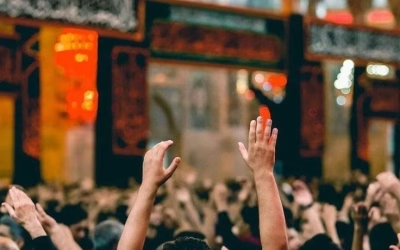
Tears that Build Chambers: ʿAzāʾ, Communal Mourning, and the Grief the Clinic Forgot How to Honor
Introduction: The Grief That Will Not Be Scheduled It is two in the morning, three years after the funeral, and you are crying again. And somewhere beneath the grief is a second, more corrosive feeling: the suspicion that something is wrong with you for still grieving...
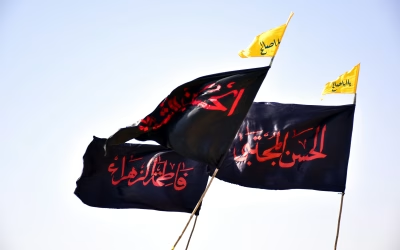
Muwāsāt: The Therapy of Being-With — Presence, Co-Regulation, and the Night of ʿĀshūrāʾ
Introduction: When There Is Nothing to Fix There is a particular hour that brings people to my consulting room, even when they arrive at it during the day. It is the hour, often around two in the morning, when a person sits on the floor of a bathroom or at the edge of...

Rebuilding What Cannot Be Rebuilt: Post-Traumatic Growth and the Community of Remembrance
Part 3 of 3 | The Graves They Could Not Bury: Islamic Psychology of Sacred Grief on Yawmul Ghamm Introduction: Can a Community Grow from a Wound That Remains Open? In the first post of this series, I named the grief: disenfranchised, morally injurious, and ongoing....